Safeguard Your Home: Critical Services Delivered by Professional Electricians
Professional electricians deliver vital services that strengthen residential safety. These experts handle frequent electrical issues and perform routine inspections to identify potential hazards. These experts ensure that electrical installations comply with safety codes while also recommending upgrades to outdated systems. Recognizing these critical services can prevent emergencies and protect property value. Homeowners may wonder what exact concerns electricians handle and how to select the right expert for their needs.
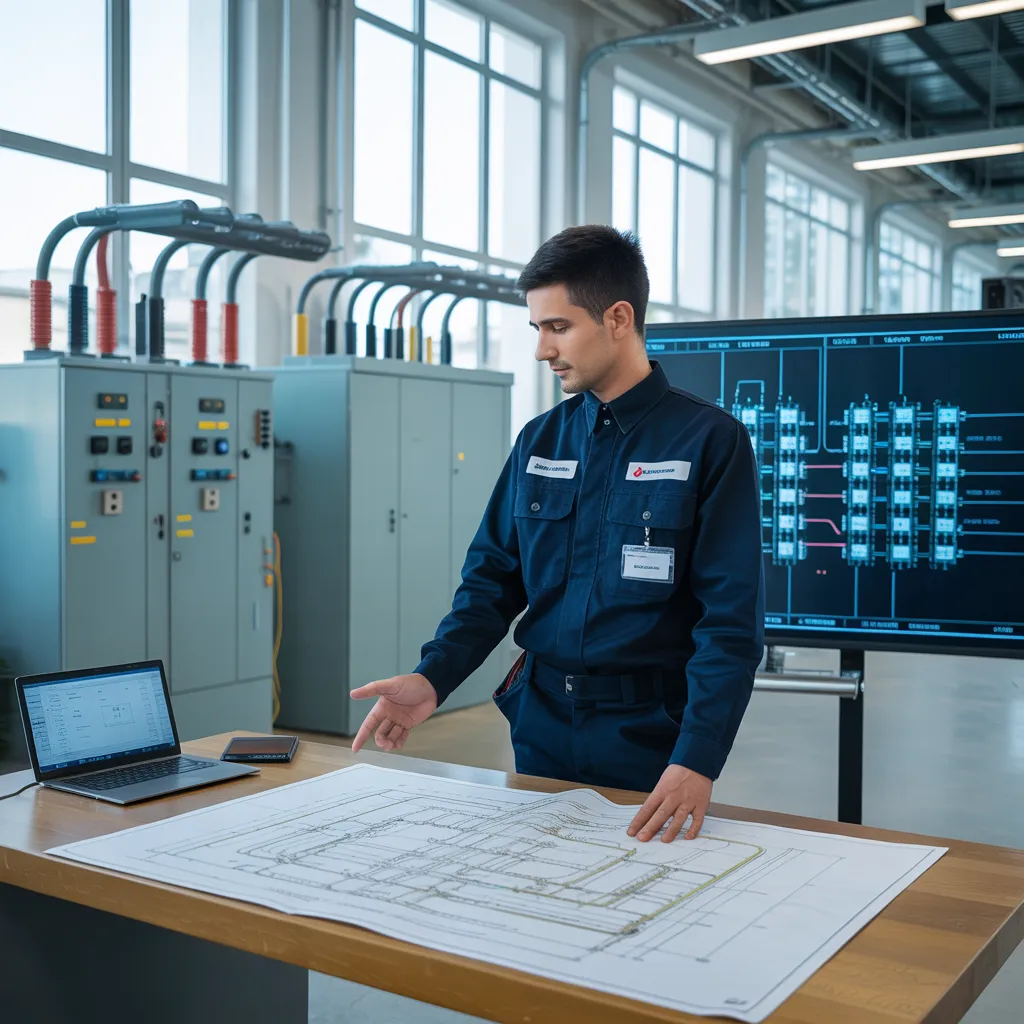
Typical Electrical Problems and How to Address Them
Electrical faults can disrupt daily life, making it essential to recognize common problems and their solutions. Lights that flicker, as a common example, are frequently caused by loose bulbs or defective wiring. Reinforcing connections or installing new bulbs can eliminate this concern. Circuit overloads, identified by repeated breaker trips, can be remedied by reallocating appliances to separate circuits or enhancing the electrical panel.
A frequently encountered concern involves outlets that stop functioning, which may stem from tripped breakers or damaged wiring. Testing the breaker and inspecting the outlet can help identify the cause. Furthermore, ground fault circuit interrupters (GFCIs) can activate unexpectedly as a result of moisture or defective devices; resetting the GFCI or substituting defective devices can reestablish proper operation. Recognizing these common electrical problems enables homeowners to address issues promptly, ensuring safety and efficiency within their households.
The Importance of Regular Electrical Inspections
Even though many homeowners often ignore the value of routine electrical inspections, these inspections are essential for maintaining safety and efficiency in any property. Regular inspections identify common dangers including deteriorating wiring, obsolete systems, and overwhelmed circuits, which can lead to electrical fires or equipment failures. By resolving these concerns in advance, homeowners can prevent expensive repairs and guarantee compliance with safety regulations.
Additionally, inspections play a key role in identifying energy-related inefficiencies, facilitating changes that contribute to more manageable energy bills. Professional electricians are equipped to recognize delicate signs of aging and wear that may go unnoticed by the average homeowner. Additionally, routine inspections often enhance the longevity of home electrical systems and connected appliances, contributing to overall property value. Ultimately, prioritizing regular electrical inspections is a significant step in safeguarding both the inhabitants and the integrity of the home.
How Inspections Lead to Safe Installations
Periodic electrical inspections play an essential role in guaranteeing that installations are performed safely and efficiently. Such inspections enable certified electricians to assess current wiring, outlets, and fixtures, detecting potential dangers or code violations before new installations begin. By assessing the general state of the electrical system, electricians can tackle concerns such as aging wiring or improper grounding, which could compromise safety.
Moreover, these assessments allow professionals to verify that all components meet current safety standards. This precautionary action not only boosts the safety of the installation process but also defends homeowners from subsequent electrical failures or hazards. Professional electricians leverage their skills to advise on required improvements or modifications, confirming that all installations adhere to recognized best practices. At the end of the day, periodic inspections help establish a safer residential setting, offering homeowners reassurance while lowering the chances of electrical fires or malfunctions in the years ahead.
Upgrade Your Electrical Panel for Safety
Upgrading an electrical panel is a critical step in improving residential safety. An old electrical panel can pose considerable risks, including electrical fires and equipment damage. Licensed electricians recommend this upgrade to support current electrical needs and guarantee dependable power delivery.
Modern panels are fitted with sophisticated protective features, such as circuit breakers that promptly interrupt electrical flow when overloads or faults occur. This lowers the likelihood of overheating and possible hazards. Additionally, upgrading often allows for the installation of more circuits, supporting the growing number of electronic devices found in modern homes.
Homeowners may notice intermittent light flickering, repeated circuit breaker failures, or a noticeable burning odor, all of which are indicators that an upgrade could be needed. Speaking with a qualified electrician can offer guidance on whether an electrical panel upgrade is needed, ensuring a safer living environment while meeting the demands of contemporary electrical usage.
How to Respond to an Electrical Emergency
Electrical incidents can emerge at any moment, often highlighting the importance of a properly maintained electrical panel. In such situations, swift action is necessary to guarantee safety. Initially, individuals should stay composed and assess the situation. If there is smoke or flames, exiting the area and reaching out to emergency services is paramount. For electrical shocks, it is important not to make direct contact with the victim and instead employ a non-conductive item to disconnect them from the electrical source.
If a power outage occurs, examining the circuit breaker is a sensible action ahead of calling a licensed electrician. Should strange odors or buzzing noises come from outlets, it is necessary to disconnect appliances and avoid using them until a certified specialist can examine the system. Ultimately, maintaining copyright information for a licensed electrician within reach can support rapid action in emergency circumstances, guaranteeing safety and minimizing potential damage.
How to Choose the Right Licensed Electrician
How can one guarantee they select the right licensed electrician for their needs? First, it is essential to verify the electrician's license and insurance, ensuring compliance with local regulations. Additionally, gathering referrals from friends, family, or online reviews can offer valuable information about the electrician's dependability and standard of work.
In addition, it is advisable to inquire about the electrician's specialization and read more experience, as certain contractors prioritize household wiring while others have greater expertise in business-related electrical projects. Obtaining a thorough cost breakdown, covering the cost of labor and materials, is helpful for making cost comparisons and eliminating unexpected fees.
Furthermore, considering communication skills is crucial; a reliable electrician should communicate problems clearly and reply to inquiries patiently. In conclusion, checking for warranties on services rendered can demonstrate a dedication to quality work. By evaluating these aspects, homeowners can make informed decisions, promoting safety and peace of mind with their chosen electrician.
Frequently Asked Questions
What Credentials Should I Seek in a Licensed Electrician?
When seeking a licensed electrician, one should prioritize qualifications such as proper licensing, applicable certifications, substantial experience, strong client testimonials, and conformance to safety guidelines, guaranteeing both proficiency and dependability in electrical services.
What Are the Typical Costs for Electrical Services?
Electrical services typically range in the range of $50 to $100 an hour, according to the scope of the project and the electrician's background. Additional fees may apply for equipment, required permits, or after-hours emergency calls.
Are Warranties Available for Electrical Work?
Many professional electricians provide warranties for their services, typically covering both labor and materials for a predetermined period. Such coverage secures customer satisfaction and offers reassurance about the durability and quality of the electrical work carried out.
Can I Perform Electrical Work Myself?
While individuals may attempt electrical work themselves, it is usually not a wise decision. Professional electricians have the skills and understanding required to ensure safety and adherence to regulations, limiting the chances of mishaps and potential safety risks.
How Often Should Electrical Inspections Be Scheduled?
Homeowners should plan electrical inspections every three to five years, or more often if issues are present. Routine evaluations assist in identifying electrical risks, providing safety and compliance with existing electrical codes and regulations.